
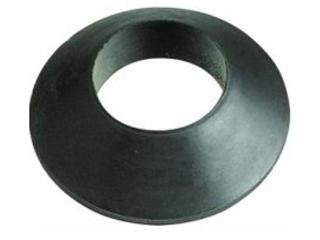


tamthienphu.vn welcomes you to discover the fascinating world of synthetic rubber – a material that has revolutionized our daily lives in countless ways. From the tires on our cars and bicycles to the soles of our shoes, this versatile material plays an essential role in keeping us moving forward. In this blog article, we will explore what synthetic rubber is, its creation process, and its many applications.

What is Synthetic Rubber?
Synthetic rubber is a man-made material that mimics the properties of natural rubber, which is sourced from the sap of rubber trees. It was first developed in the early 1900s when there was a high demand for rubber during World War I. Since then, it has become an indispensable component of our modern society, with its production surpassing that of natural rubber.
Synthetic rubber is made through a process known as polymerization, where various chemicals are combined to create long chains of molecules. These polymers are then processed into different forms, such as sheets, pellets, or liquid, depending on their intended use. This enables manufacturers to tailor the material’s properties to suit specific applications.
Benefits of Synthetic Rubber
The popularity of synthetic rubber is primarily due to its numerous advantages over natural rubber. For starters, it is more resistant to wear and tear, making it ideal for use in heavy-duty applications. It also offers better heat and chemical resistance, making it suitable for use in harsh environments. Additionally, synthetic rubber can be produced in large quantities, allowing it to meet the ever-growing demand for rubber products.
Moreover, given its versatility, synthetic rubber can be formulated to have varying levels of hardness, elasticity, and durability. This makes it suitable for use in a wide range of products, from gaskets and seals to medical gloves and sports equipment. Its ability to be molded into different shapes also makes it an essential component in the automotive and aerospace industries.
The Environmental Impact
At tamthienphu.vn, we understand the importance of sustainability in today’s world. That is why we are proud to say that the production of synthetic rubber has a relatively low impact on the environment. Compared to other materials, such as plastics and metals, its production process consumes less energy and produces fewer emissions. Additionally, many manufacturers have adopted eco-friendly processes and are constantly working towards reducing waste and water usage during production.
Furthermore, synthetic rubber can be recycled and reused, reducing the amount of waste that ends up in landfills. This not only helps to conserve natural resources but also reduces our dependence on non-renewable sources of rubber, such as natural rubber trees.
Conclusion – The Future of Synthetic Rubber
The future of synthetic rubber looks bright, with new advancements being made every day. Research and development efforts are focused on improving its properties, making it more sustainable, and exploring new applications. In recent years, there has been a rise in the use of bio-based synthetic rubber, which is sourced from renewable materials, reducing its impact on the environment even further.
As we continue to rely on synthetic rubber for various aspects of our lives, it is crucial to ensure its responsible and sustainable production. At tamthienphu.vn, we believe that by creating awareness about this amazing material, we can encourage its responsible use and contribute to a better tomorrow. We hope this blog article has given you valuable insights into the world of synthetic rubber and its endless possibilities. Thank you for joining us on this fascinating journey!